ripe coffee beans in coffee farms

THE JOURNEY

Explore The Incredible Journey Of A Coffee Bean From Its Birth To Your Cup.

The Bloom

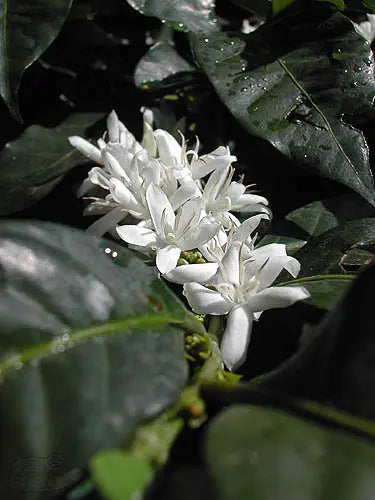
Just like every other crop, coffee cherries start their journey as flowers. The bloom phase of flowers in coffee farms witnesses a white cover with jasmine like smell emanating from these blooms. In a few weeks, these blooms will drop off to pave way for tiny coffee cherries.

Image Source - Link
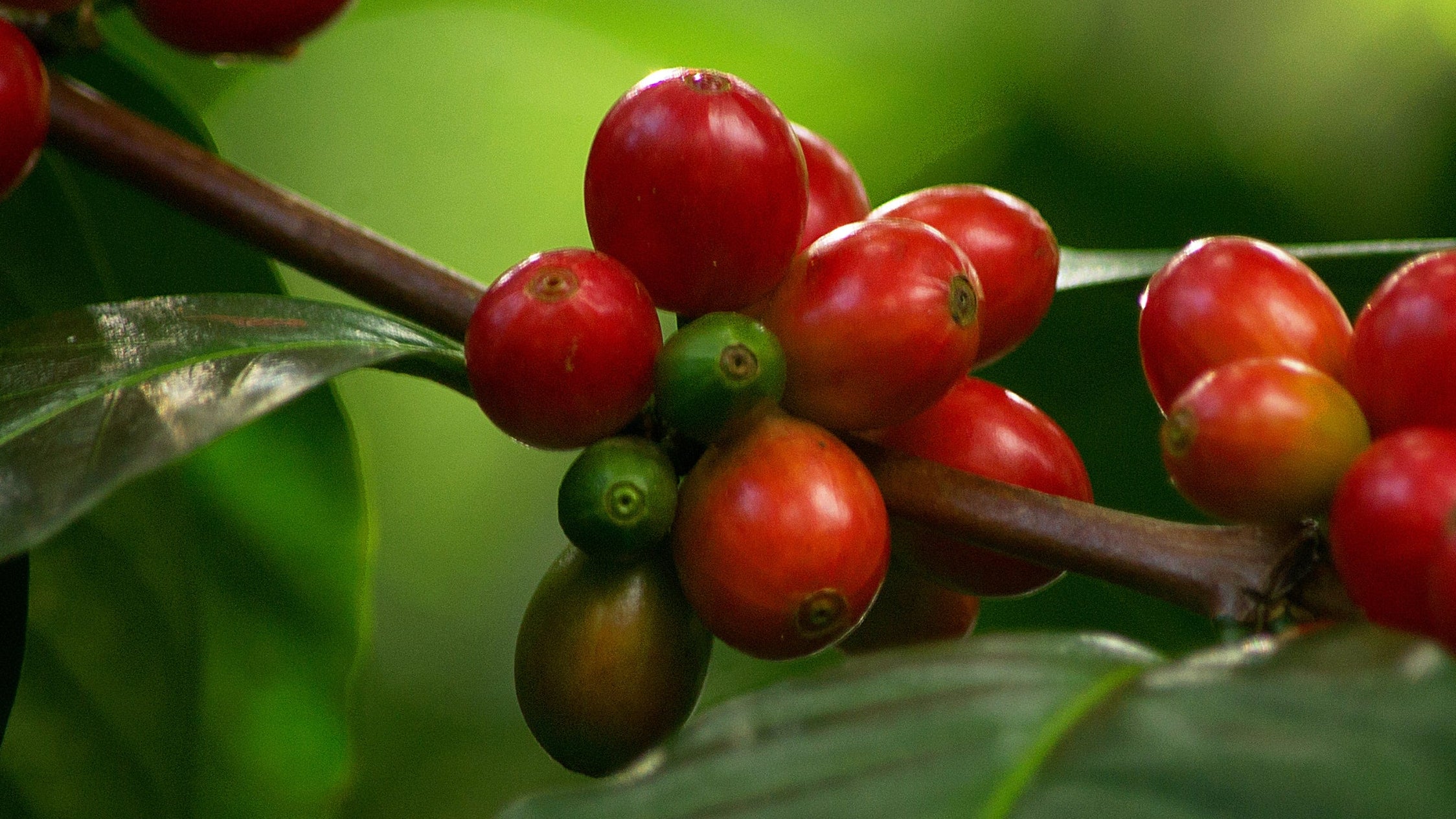
coffee cherry in coffee farm

Green Bean Cherries

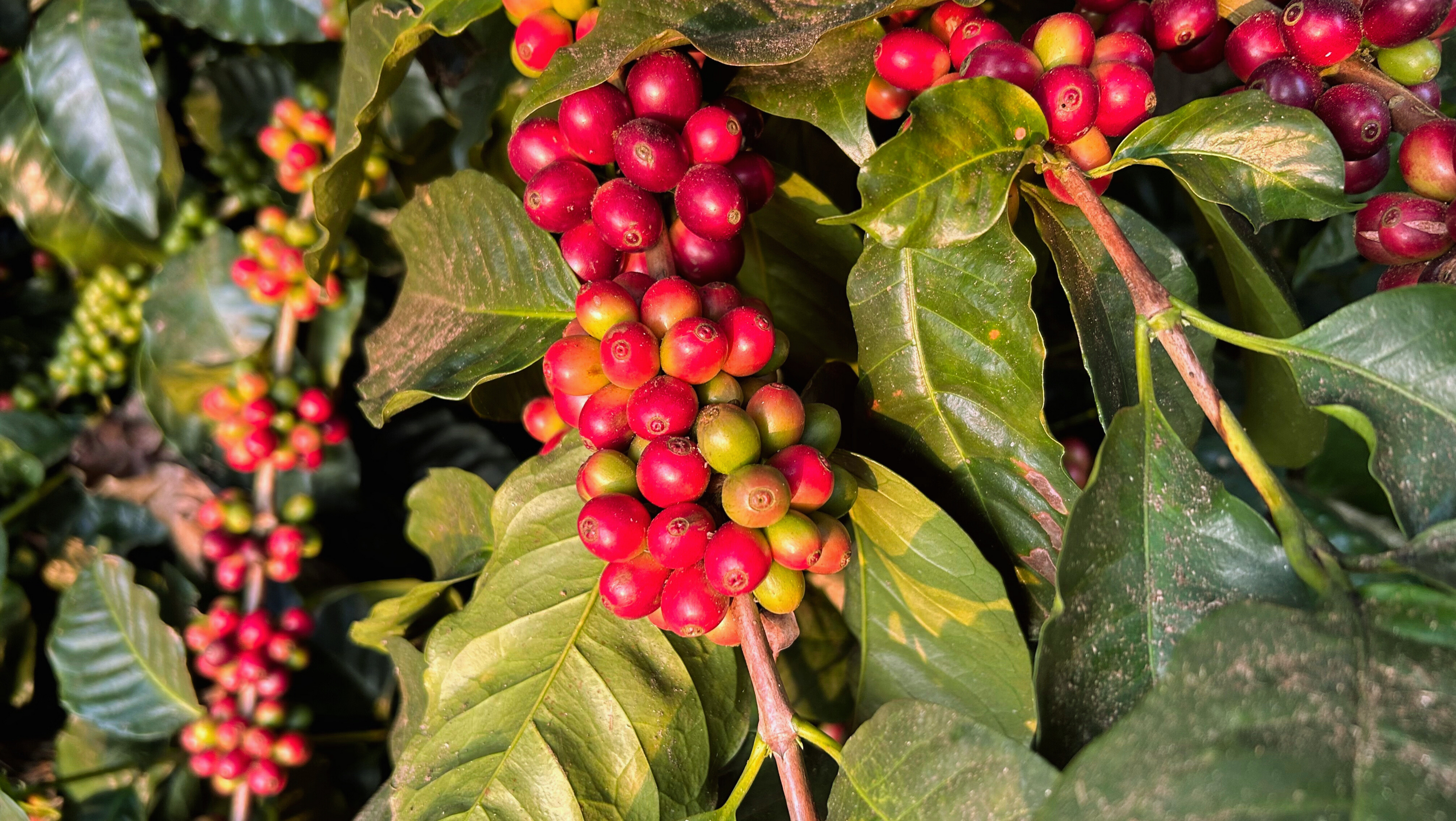
In few months following the blossom, the green cherries grow in size and slowly start to turn into various shades approaching red.

Red Cherry

The green cherries turn into bright red that is the sign of cherry ripening. Ripened cherries are ready to be handpicked by the workforce in the coffee farms.

Handpicking & Collection

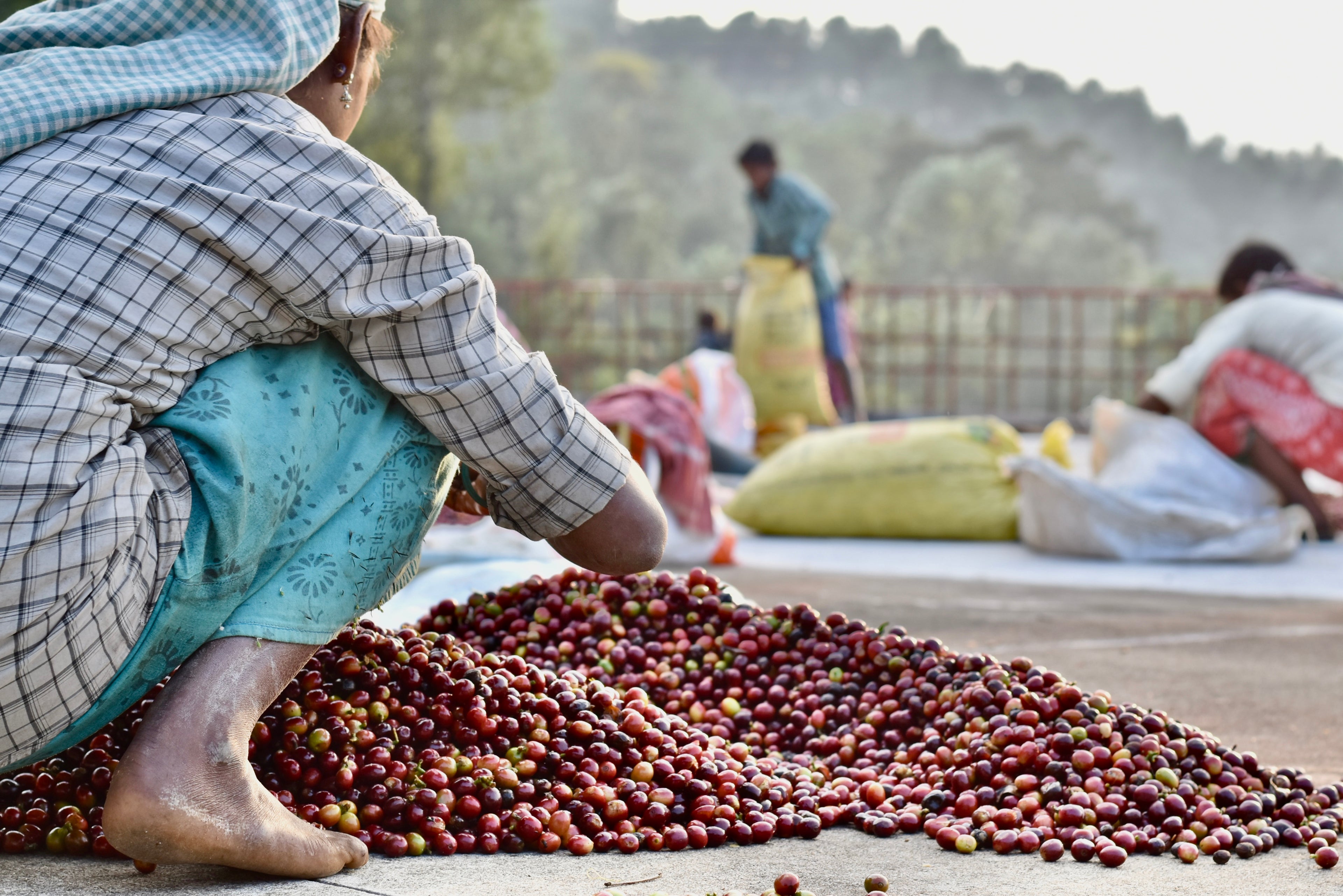
People in coffee farms carefully pick the ripened cherries and collect in their baskets. These baskets are then taken to a common area for further sorting and ready to be sent for further processing.

Processing

This is perhaps the most critical part in the overall coffee value chain when it comes to imparting tasting notes to coffee. The processing methods create a great spectrum of tasting notes and flavours and coffee beans can be distinguished as per method type.

A Quick Guide To Coffee Processing?

What Are Natural Processed Beans?

When coffee cherries are directly dried before separating

What Are Wash Processed Beans?

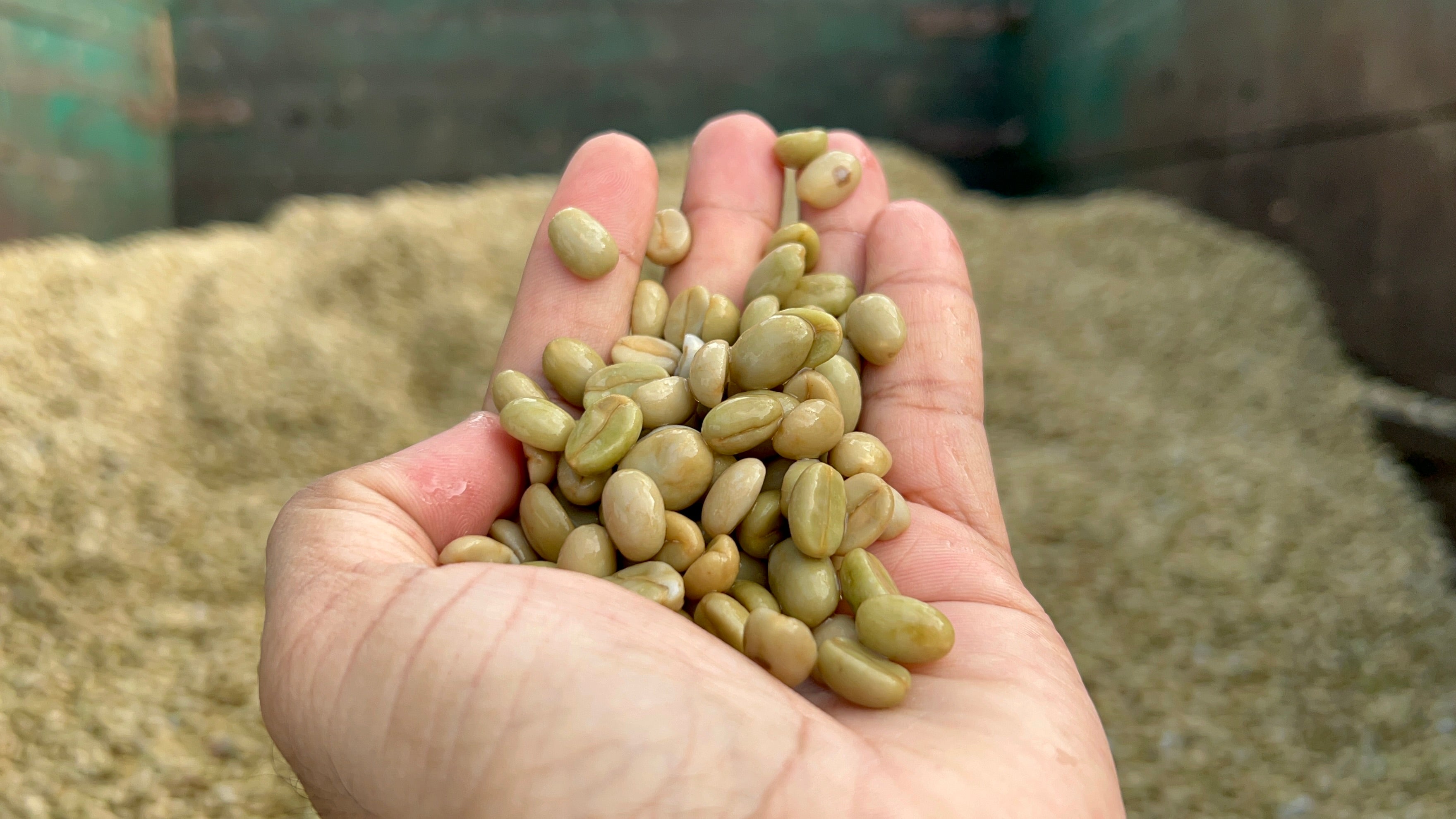
The process where coffee beans are first separated from the freshly harvested cherries and then are washed in multiple cycles to remove the sticky substance called mucilage from their surface before putting them to drying. .

What are Honey Processed beans?

Think about Natural processing and Wash processing and think about the mid path. A process where beans are separated from cherries upon harvesting and dried with mucilage on their surface is called Honey processing. Within honey processing you will come across many terms such as dark honey, honey sun dried etc. This just depends upon how extended is the ripening allowed with mucilage on surface of beans.

Are there more processing methods?

As a matter of fact "Yes". Growers and coffee processors are now experimenting with various novel methods of processing green coffee beans by subjecting them to spend time in certain special conditions before subjected to drying. Beans are subjected to fermentation in whiskey or rum barrels, fermentation with fruit pulps, fermentation with special yiest and much more.

Do we offer experimentally processed beans?

Yes we do. The ones we are most excited about are Culture Processed Naturals that come under the names of NOUVEAU and EXPANSE.

Grading.

Grading is primarily the process of sorting the beans as per their size. The Grade of beans starts from AAA and goes down to lower levels.

It is done with standardised sieves that are stacked one above another. Each subsequent lower sieve has a relatively smaller size of holes in the grids through which beans pass.

Roasting

Roasting is a part where the Poetics Of The Coffee Beans come to life. A meticulous roasting process is required to bring out the vibrant notes hidden in the coffee beans.

Coffee roasters around the world give a great deal of effort to understand minutest details of roasting and turn their daily routine into an art of perfection.

Grinding.

Coffee Beans are required to be ground before brewing takes place. The size of the grind is usually determined as per the coffee brewing method. Our guide to the grind size can be found here (link updating soon).

espresso cup with espresso crema

Finally, Brewing.

Coffee brewing is the last act of playing with coffee beans before coffee is consumed by us.

The brewing process is an art as much as it is a science. To some people it is meditative.